rozhovor s Jakubom Ptačínom – aj o tom, že treba nájsť svoje páky
zo slovníka – tie divné majú moc kontrolovať (svoj) osud; “You’re weird.” je kompliment:
weird(adj.)
c. 1400, “having power to control fate,” in weird sisters, from weird (n.) “force that sets events in motion or determines their course; what is destined to befall one;” from Old English wyrd “fate, chance, fortune; destiny; the Fates.” The modern senses developed from weird sisters, not immediately from the Old English word, which is etymologically “that which comes.”
It is reconstructed to be from Proto-Germanic *wurthiz (source also of Old Saxon wurd, Old High German wurt “fate,” Old Norse urðr “fate, one of the three Norns”), itself reconstructed to be from PIE *wert- “to turn, to wind” (source also of German werden, Old English weorðan “to become”), from root *wer- (2) “to turn, bend.” For the sense development from “turning” to “becoming,” compare colloquial phrase turn into “become.”
The sense of “uncanny, supernatural” developed from Middle English use of weird sisters for the three Fates, Parcae, or Norns (in Germanic mythology), the goddesses who controlled human destiny. They were portrayed as odd or frightening in appearance, as in “Macbeth” (especially in 18th and 19th century productions).
The modern adjectival use, without sisters, emerged early 19c. Todd’s supplement to Johnson (1818) has it as “skilled in witchcraft.” Shelley was perhaps the first to use it consistently in print as “supernatural, uncanny”:
In lone and silent hours, When night makes a weird sound of its own stillness
The weakened meaning “odd-looking, strange, disturbingly different” followed (1820). Also see Macbeth. Related: Weirdly; weirdish; weirdness.
As a verb, “change by witchcraft or sorcery.” Earlier to be weirded in Middle English was “be foreordained or predestined.”
Singapur platí ľuďom, aby čítali – nie veľa, ale chcú vybudovať zvyk. Na Slovensku pripravujeme Národný rok čítania 2027
Sea Turtle Sex Crisis: Why 99% Are Now Female
Sand temperatures above 29°C now produce 95–99% female sea turtles instead of the historical 50–50 ratio, creating a reproductive bottleneck that could collapse populations within two generations.
kongruencia (The rare people who are solid)
My mother calls it gardening. Is it art?
Whenever my father, sisters or I are looking for her, these gardens are the first place we go. In our village, her gardens are known by her name. Most gardens are named this way – simply referred to by the woman’s name who tends them. There’s something womanist about these vernacular gardens, embodying our expression, ideas and labour.
Vek červených mravcov hovorí o veciach, ktoré obyčajný, normálny človek nemá odvahu prijať ako realitu. Pritom – ako autorka tvrdí – každý príbeh v knihe má reálny základ. „Keď kniha vyšla v Nemecku, v médiách ma obvinili, že si vymýšľam fantázie, klamem a fabulujem. Že voľačo také nie je možné. Poslala som im linky na verejne prístupný archív s fotografiami a úradníckymi zápismi. Každý si to môže sám overiť. Nič som si nevymyslela, iba som pozbierala príbehy a dala ich dokopy.“
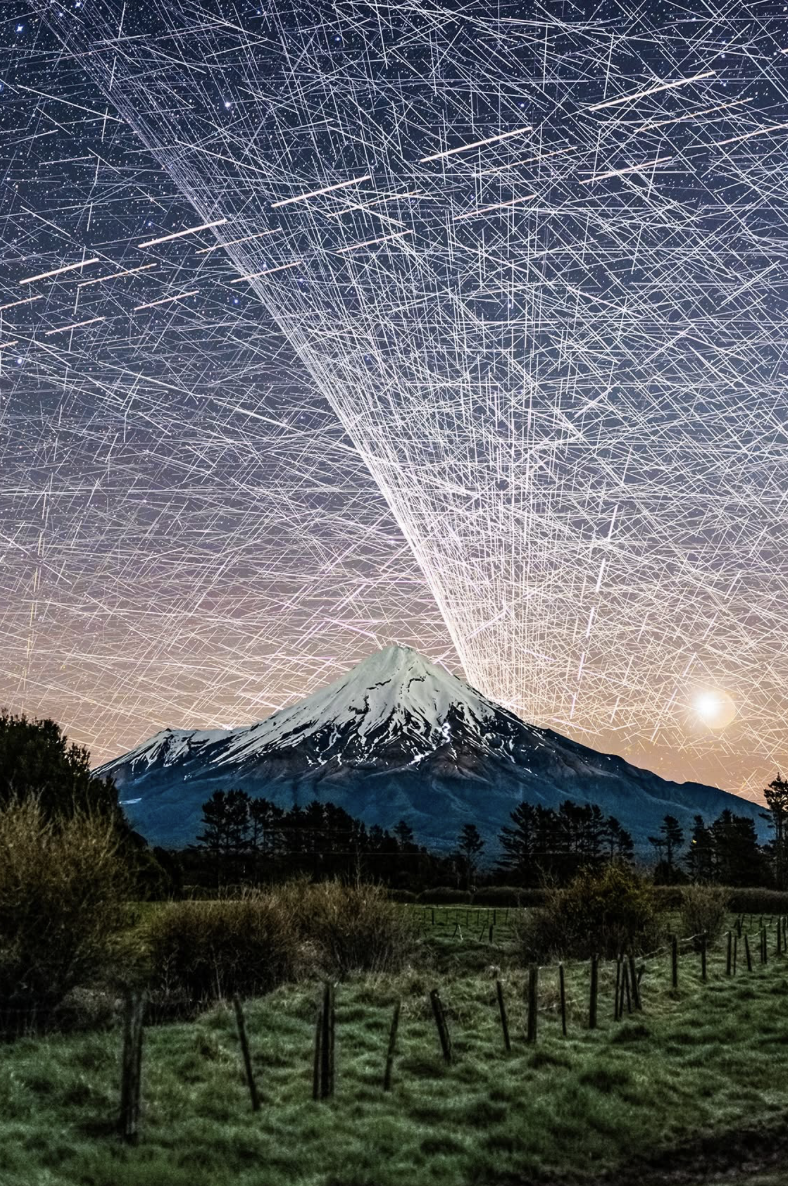
úžasný obrázok – kopa satelitov a kopa práce takto ich zobraziť. Ale otázky sú: Kto sa koho pýtal, či ich tam môže dať? Kto s tým súhlasil? Kto má právo na čistú oblohu? (a Kesslerov efekt?)